
Get the History Report by VIN Decoder for All BMW Model
If you’re looking at a used BMW, the photos can look perfect, the seller sounds confident, and you’re thinking, “Is this actually clean?” A BMW vehicle history report helps you check the facts before you spend real money. It’s built for normal people, collectors, and careful buyers who want the story behind the badge.
What is BMW Vehicle History?
If you’re hunting for a used BMW, you’re probably not just buying a car. You’re buying a story. And honestly, stories can get messy. A BMW vehicle history report helps you check what the seller might “forget” to mention, like title brands, mileage gaps, past ownership patterns, or records that hint at accidents and heavy use.
It’s a simple way to slow down, verify the basics, and feel confident before you shake hands and hand over the cash.
What is Included in a BMW Vehicle History Report?
A BMW can be a dream car, or a quiet money pit. A proper BMW vehicle history report is meant to give you a clear picture without guessing. You’ll see vehicle specifications, plus records that affect safety and value like title brands, mileage history, recall status, stolen records, and service history.
Vehicle Specifications
This is the “who are you, really?” part of the report. It focuses on the BMW’s build identity, so you can match the listing to the real configuration and avoid trim confusion.
Year, Make, Model
This confirms the basics tied to the VIN, so the BMW you’re shopping matches the listing claims. It’s also useful when the badge was swapped, the ad is vague, or the seller “isn’t sure” about the exact model year.
Body & Physical Configuration
This outlines core physical details like body type and other configuration points that help you spot mismatches. If you’re comparing two similar BMWs, this section keeps you from paying for features the car never had.
Safety & Regulatory Configuration
This section highlights safety-related and regulatory details tied to the VIN’s configuration. It helps you understand what safety setup the BMW was built with, and why two similar-looking cars can still be very different.
Vehicle Recall Check
A recall check helps you see if the BMW has safety recalls tied to the VIN. If recall data is available for your BMW, the report can show the recall type, what it affects, and whether it looks open or completed.
Recall Details
Recall details describe what the recall involves and what system or part is affected. It helps you know what to ask a BMW dealer about, and what paperwork to request if the seller says “it’s handled.”
Recall Status
This shows whether a recall is marked open or completed when that data is available. An open recall doesn’t mean the BMW is “bad,” but it does mean you should plan a dealer visit.
Stolen Records
This is the essential section. If a vehicle is tied to theft records, you don’t want to find out after you’ve paid.
Vehicle Stolen Details
If stolen records exist, you may see the theft-related timeline and location details reported. It’s a fast way to reduce legal risk and avoid a nightmare situation where the vehicle gets seized.
Title Check Records
Title records are a big deal because they affect registration, resale value, and sometimes insurance options. People can debate paint thickness all day, but a branded title is usually the loudest warning sign.
Flood Title
Flood titles come from water exposure, often storm or flood events. The scary part is that electrical and corrosion issues can show up later, even when the interior looks clean, and the car starts fine.
Rebuilt Title
A rebuilt title means the BMW was once salvage, then repaired and approved for road use through inspection. It may be drivable, yes, but the earlier damage history can still carry risk.
Salvage Title
A salvage title usually appears when the vehicle was declared a total loss by an insurer. Even if it looks “fixed,” the past damage can still affect long-term reliability, resale value, and peace of mind.
Odometer Readings
This section helps you spot inconsistencies over time, which is a common reason people search for mileage records.
Detailed Mileage Records
This shows mileage entries with dates, so you can compare the timeline instead of trusting one dashboard number. If the miles go backward, jump strangely, or have gaps, you’ll see the pattern.
Ownership Records
Ownership history gives you context: how often it changed hands, and whether the BMW looks like it was kept and loved, or flipped quickly because something felt off.
Past Ownership Usage
This can hint if the BMW was used personally, as a fleet vehicle, or as a rental in some cases. Usage type matters because heavy-use categories often mean faster wear, even if the car looks pretty.
Service and Maintenance Records
A well-kept BMW usually leaves a trail of service activity, and the recorded service events help anchor the story about the BMW in the used car market.
Recorded Service Visits
This section can show logged maintenance, like inspections and routine service events, when available. It helps you judge consistency throughout the previous ownership.
Market Value and Pricing Data
BMWs hold value in a special way, but history still matters. This pricing data helps you understand whether the BMW is priced like a clean, well-kept car or priced like a car with baggage.
Current Market Value Estimation
The report factors in the BMW’s VIN-based history, including accidents, title records, and odometer readings, then uses market data to calculate an estimated value range you can trust.
Auction and Sales History
Auction history can explain why a BMW ended up on a certain auction block or the online listing; it can also explain why the price is oddly low.
Auction Information and Images
When available, this shows auction-style details like date, location, and sales context. In some reports, you may also see auction photos, which can be brutally honest (in a good way).
Why Do You Need a BMW Vehicle History?
A BMW purchase isn’t just “car shopping.” It’s risk management with leather seats. Whether you’re a dealer, a seller, or a buyer, a BMW vehicle history report helps you make decisions.
Buyers
If you’re new to BMW, a history report helps you avoid regret after purchasing the car. A report helps you compare what the seller says against recorded events. If something doesn’t match, you can walk away early instead of learning the truth after purchase.
Identify hidden damages before purchase
Even when a BMW looks clean, past accidents or damage records can exist. A history report helps you spot those risks early, before you pay or fall in love.
Avoid title-brand surprises
Salvage, rebuilt, flood, lemon, or junk branding changes everything: value, insurability, and resale. Knowing early protects your budget and your stress levels.
Check stolen records for peace of mind
No one wants a stolen car story. A stolen-record check reduces the chance of legal issues and protects you from losing the car after you’ve paid.
How to Check Vehicle History for BMW
Checking a BMW vehicle history is pretty simple once you know what to look for. You just need a VIN, a license plate, or the basic Year-Make-Model. From there, you follow a few steps and get a report that helps you spot risks.
Step 1: Locate the VIN
Look for the BMW VIN on the dashboard near the windshield, the driver-side door sticker, or your registration papers.
Step 2: Fill Out the Form
Enter the BMW VIN into the form and make sure it matches what you see on the car. Double-check it, because one wrong character can pull the wrong vehicle.
Step 3: Get the Report
Submit the form and review the report sections. If anything feels odd, pause and dig deeper before you commit to buying.
How to Check BMW Vehicle History by License Plate
No VIN available yet? That happens, especially when you’re browsing listings. A license plate lookup can still help you check a BMW vehicle's history, depending on available records.
Step 1: Find the License Plate Number
Use the plate number from the car itself or from the listing photos. Make sure you also know the state, because the same plate number can exist in different states.
Step 2: Enter the License Plate Number
Type the plate number into the form and choose the correct state.
Step 3: Get the Report
Generate the report and check key sections like title records, stolen flags, and ownership history.
What Makes Us Better than Other Services?
If you’ve compared services before, you already know the problem: you pay more, and still feel like you’re missing pieces.
Our BMW vehicle history report keeps the cost reasonable while adding things others often skip, like sales listings with photos, auction records with photos, ownership history maps, and support for more vehicle types. It’s made for real decision-making, not just quick reassurance.
| Feature | Carfax | Our Report | AutoCheck |
| Price | $44.99 | $19.99 | $29.99 |
| Single Report | Yes | Yes | Yes |
| Sales Listings with Photos | No | Yes | No |
| Auction Records with Photos | No | Yes | No |
| Market Value Data | Yes | Yes | Yes |
| Vehicle Specifications | Limited | Complete | Limited |
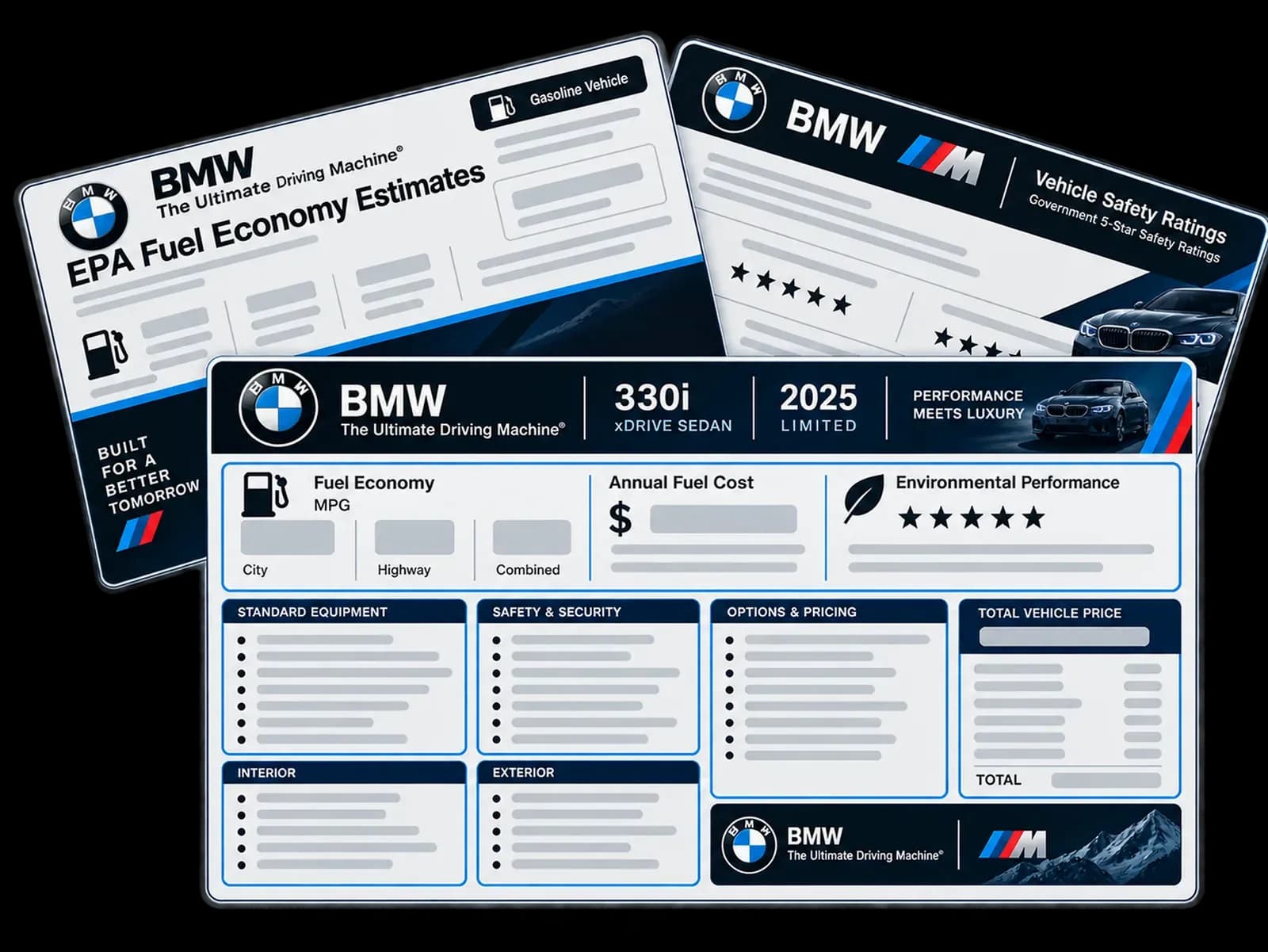
| Window Sticker Access | No | Yes | No |
| Classic VIN Decoding | No | Yes | No |
| Maintenance Guidance | Yes | Yes | No |
| Ownership History | Yes | Yes | Yes |
| Accident History | Yes | Yes | Yes |
| Damage Check | Yes | Yes | Yes |
| Branded Title Check | Yes | Yes | Yes |
| Salvage Title Check | Yes | Yes | Yes |
| Ownership History Map | No | Yes | No |
| Recall Information | Yes | Yes | Yes |
| Support for Heavy-Duty Trucks, ATVs, Trailers, Motorcycles | No | Yes | No |
| Mobile/Desktop App | No | Yes | No |
← Scroll horizontally to see more →
Get Your BMW Report Now!
Run your BMW VIN or plate now and check the title, mileage, and other records before you commit.
FAQs About BMW Vehicle History
How do I check my BMW history?
To check the BMW car history, start with the 17-character VIN and run our BMW vehicle history report. In the U.S., VINs follow a standard format, and they include a check digit in the 9th position, which helps confirm the VIN wasn’t mistyped.
If you don’t have the VIN yet, you can sometimes start with a license plate lookup, then switch to VIN for a tighter match.
Can I check my VIN history for free?
Sometimes, yes, but “free” usually means a preview or limited details. Some dealers include a free history report link in a listing, and some services show basic info without charging. If you need deeper records, like title brands, accident entries, auction history, and ownership patterns, that’s often part of a paid report.
Is a BMW VIN decoder free to use?
Yes, you can decode the VIN with our BMW vehicle history tools for basic specs, like year, make, model, and manufacturing details. That’s the “what is this BMW?” part. A full BMW vehicle history report is different. It focuses more on records over time, like title status, mileage entries, recalls, and other history signals.
What is a BMW decoder?
A BMW decoder is a tool that reads your VIN and translates it into understandable vehicle details. Think of it like taking a long ID code and turning it into normal information you can compare against a listing. It’s useful when you want to confirm specs, trim-level clues, and basic manufacturing identity before you go deeper into a BMW vehicle history check.